You’ve been quoted $300 a link. You’ve seen 20-link packages on Fiverr for $99. You’ve had an agency promise first-page rankings in 90 days.
And somewhere in the back of your mind, you know something’s off but you’re not sure exactly what.
Here’s what’s off.
Most link building vendors are selling output, not outcomes. They count links placed, not rankings moved. They show you DR, not traffic. They send a monthly report with URLs and call it done.
We’ve worked with more than 100 companies who came to us after getting burned. We’ve seen the invoices, the placements, the excuses. And the fallout:
- Guest posts on blogs with zero traffic and 200 categories
- Link insertions on pages that aren’t even indexed
- DR 80 links that did nothing because they were placed on dead subdomains
This guide is your filter. Use it to know when you’re ready, what to buy, what to avoid, and what a real outsourced link building partnership actually looks like.
The most expensive link is the one that does nothing.
Are You Even Ready to Outsource Link Building?
Link building works. But only if you’ve earned the right to do it.
Too many brands jump the gun. They throw money at backlinks before fixing the basics. If your content is weak, your pages aren’t indexed, or you’re targeting the wrong keywords, no backlink strategy will save you.
Here’s how to know if your site is actually ready.
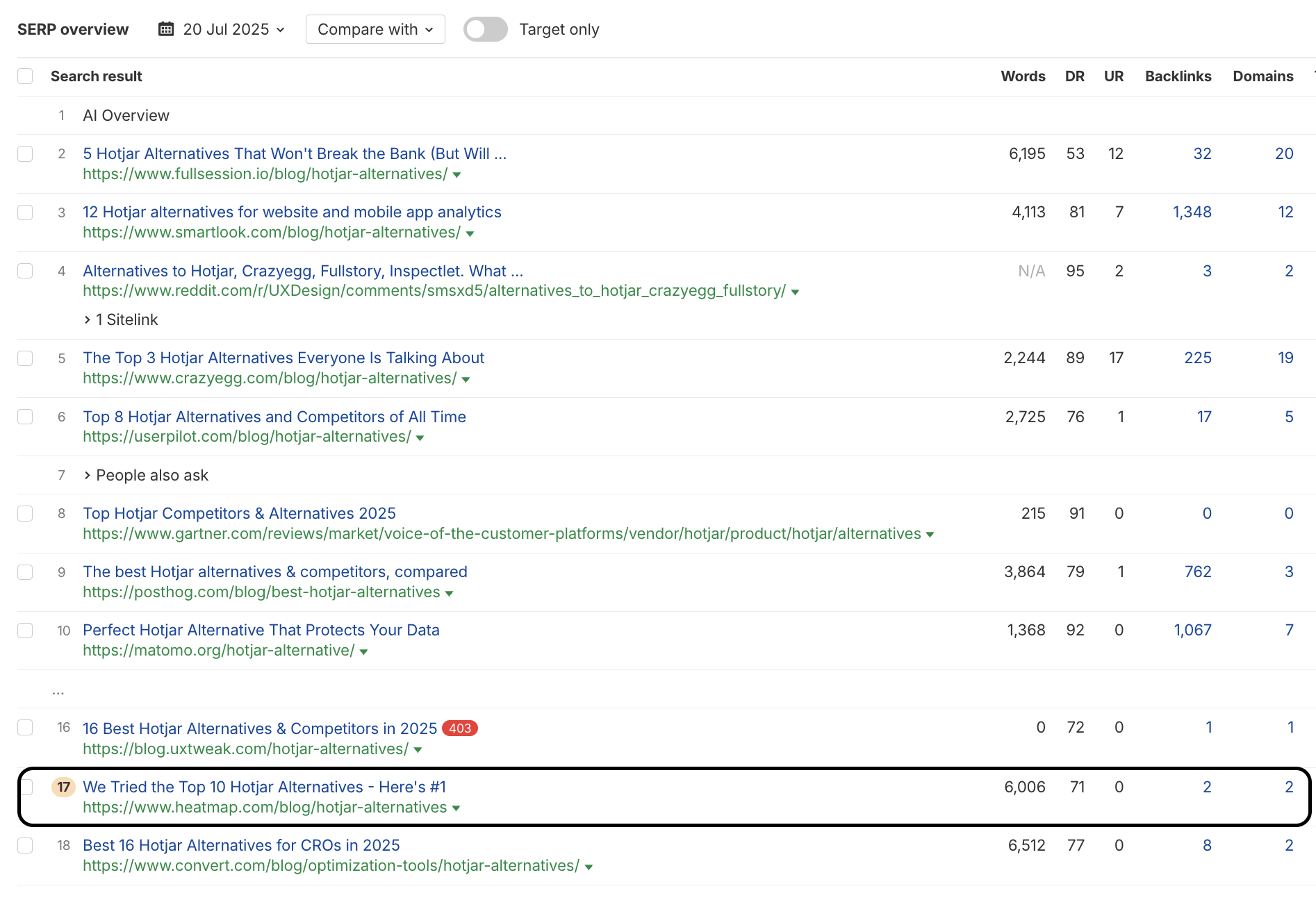
You’re Ranking but Not Quite There
If your content is sitting on page two or at the lower end of page one, you’re in the sweet spot for link building. Google already trusts the page. You just need more authority to move up.
This is often true for:
- Pages ranking between positions 6 and 20
- Keywords with solid search volume and commercial intent
- Pages with decent on-page SEO, but not enough external signals
These are the pages where one good backlink can unlock position jumps and traffic spikes.
You’re Targeting Keywords That Lead to Sales
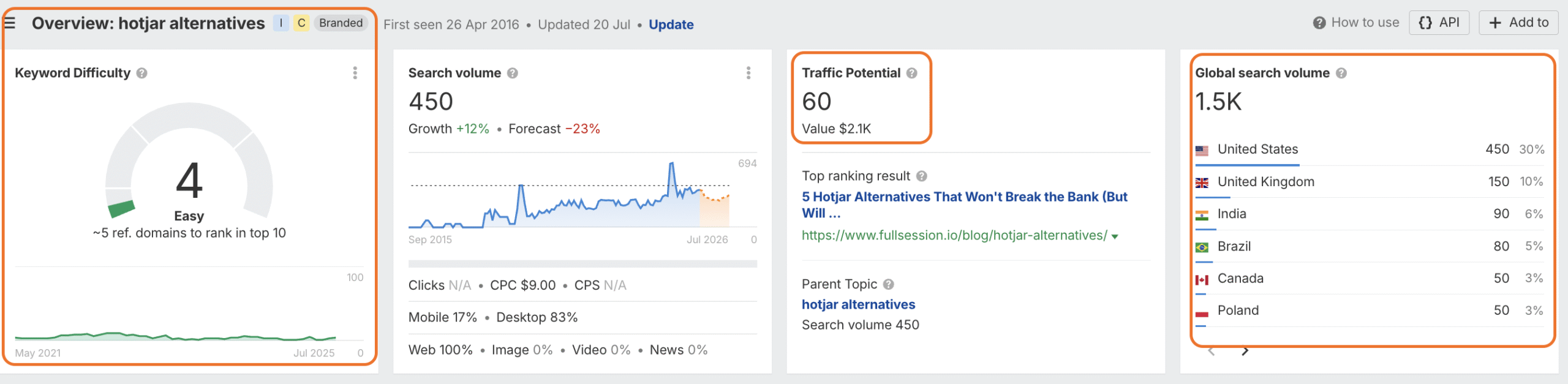
Not all keywords deserve backlinks. You want to build links to pages that target buyer-ready, bottom-of-funnel search terms.
Think:
- Best [product] for [use case]
- [Competitor] alternatives
- [Industry] software comparison
- [Service] pricing
- [Product] reviews
Why? Because these pages don’t just drive traffic. They close deals. If someone clicks these, they’re looking to take action. That’s where links have the most impact.
Your Competitors Are Beating You With Backlinks
Your Competitors Are Beating You With Backlinks
If your content is better and you’re still not outranking them, check their link profile. In most cases, they’re not winning because of quality. They’re winning because of link equity.
Use tools like Ahrefs, Semrush, or Moz to compare:
- Number of referring domains
- Page-level vs domain-level authority
- Anchor text and relevance of their links
If they’ve got 10 to 20 solid links to that page and you’ve got two, that’s probably the difference. Our guide on how many backlinks you should get from one website explains how to close that gap without over-concentrating your link profile.

You’ve Already Run Ads and They Convert
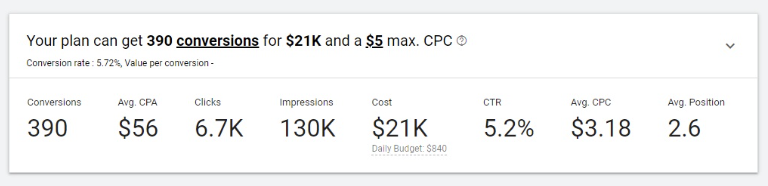
You tested the funnel with paid traffic and it worked. People clicked. People converted. But now you’re stuck paying $70 per click for that same traffic.
Link building gives you a way to own that visibility long term. You already know the keyword converts. That means SEO isn’t a gamble it’s leverage.
This is where many of our clients shift strategy. They pause paid ads, use that budget to build links, and keep getting leads without paying per click.
When You’re Not Ready Yet
If you see yourself in this section, hold off on link building for now. Fix the foundation first.
You’re not ready if:
- Your site has fewer than 10 indexed pages
- You’re not ranking in the top 100 for anything valuable
- You’re targeting zero-volume or irrelevant keywords
- Your pages have poor UX, thin content, or no CTAs
- Your internal linking is non-existent or broken
- You haven’t fixed crawl errors or indexing issues
If you’re building a new site from scratch, start with our guide on how to build links for a new website before outsourcing anything.
What Most People Get Wrong When Outsourcing Link Building
Most link building campaigns fail because they’re outsourced to people who either don’t know what they’re doing or don’t care what happens after the link goes live. We’ve cleaned up messes from cheap freelancers, bloated agencies, and everything in between.
Here are the biggest mistakes we see again and again.
Paying for DR Instead of Relevance
This is the rookie move. You get a list of DR 70 sites, it looks impressive, you buy the links. But DR doesn’t tell you if the site is relevant to your niche, whether the post gets any traffic, or whether anyone will ever read it.
What actually matters is whether the linking page is trusted by Google and semantically close to your topic. That’s what drives rankings, AI visibility, and referral traffic. Google’s own link spam policies are clear: links need to be editorially placed and contextually relevant.
Here’s what this looked like in one of our campaigns. We were building links for a CRO SaaS company. One option that stood out on paper was startup.info.
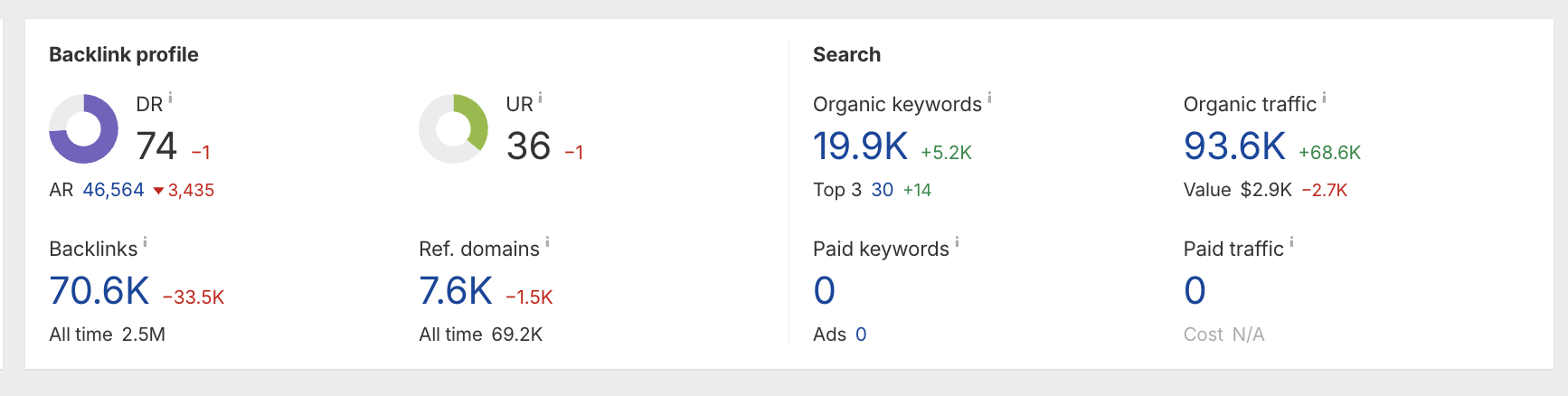
It had a DR of 74 and over 94,000 in monthly traffic. The domain name sounded like a great fit. Startup-focused, high-authority, lots of reach. But five minutes into reviewing it, we ruled it out.
The design was outdated. There was a big “Write for Us” button in the header, which usually means one thing. They’re openly selling backlinks.

Then we looked at the top-performing pages. The number one article on the site was a review of redeepseek.com. That single page drove over 53,000 visits, which was more than half the site’s total traffic.
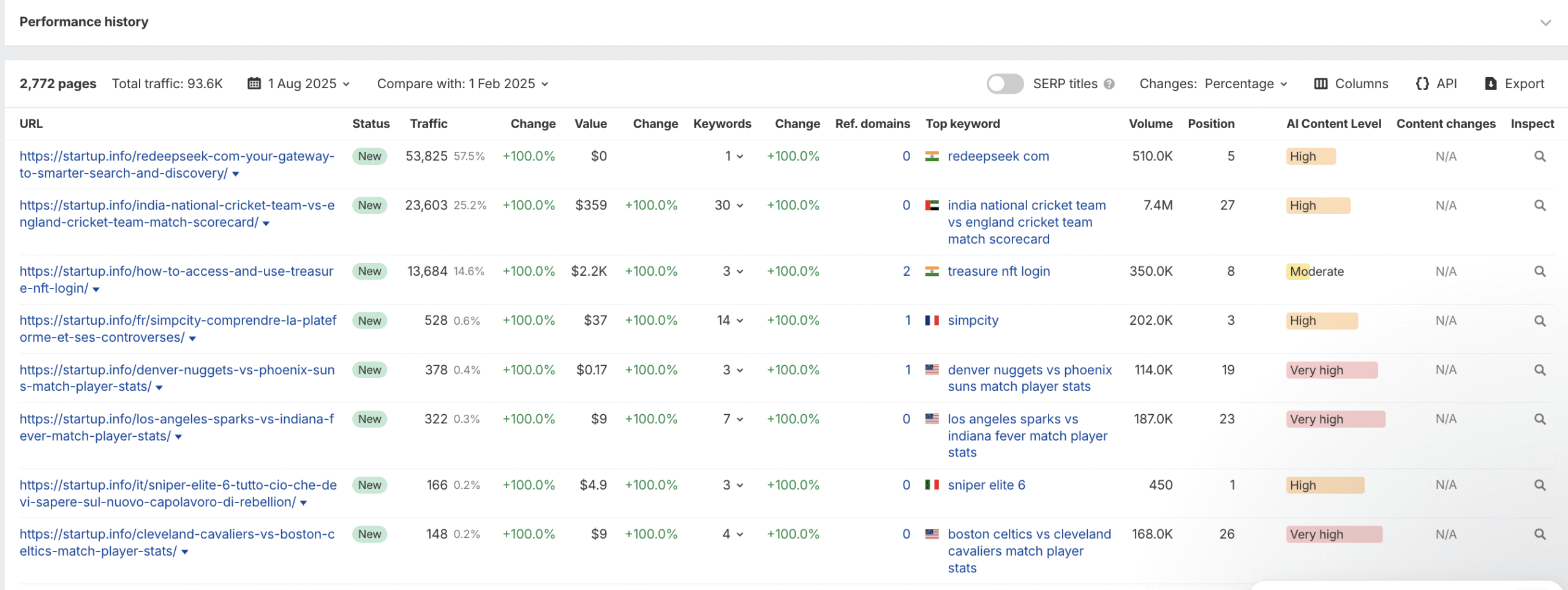
The rest of the traffic was coming from completely unrelated topics. A cricket match scorecard. An NFT login guide. A French-language breakdown of a controversial platform called Simpcity. None of it had anything to do with SaaS, startups, or CRO.
This wasn’t a trusted editorial site in our space. It was a domain built to rank for anything and everything, just to sell link placements. The traffic was inflated and irrelevant.
We dropped it immediately.
Instead, we chose sellbery.com.
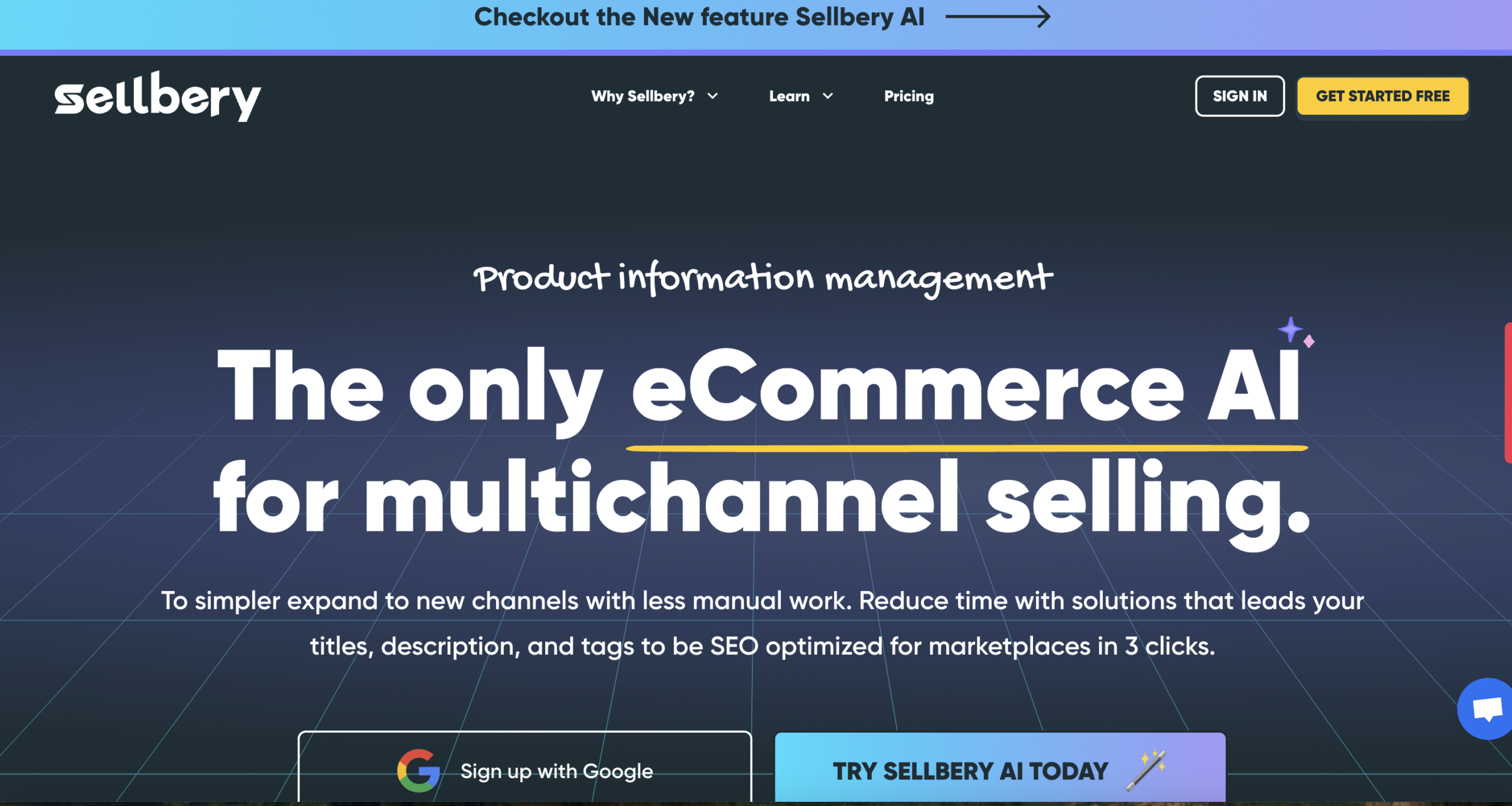
It had a DR of 57 and around 5,600 monthly visits. It wasn’t a flashy pick, but it was a real SaaS brand in the ecommerce automation space.
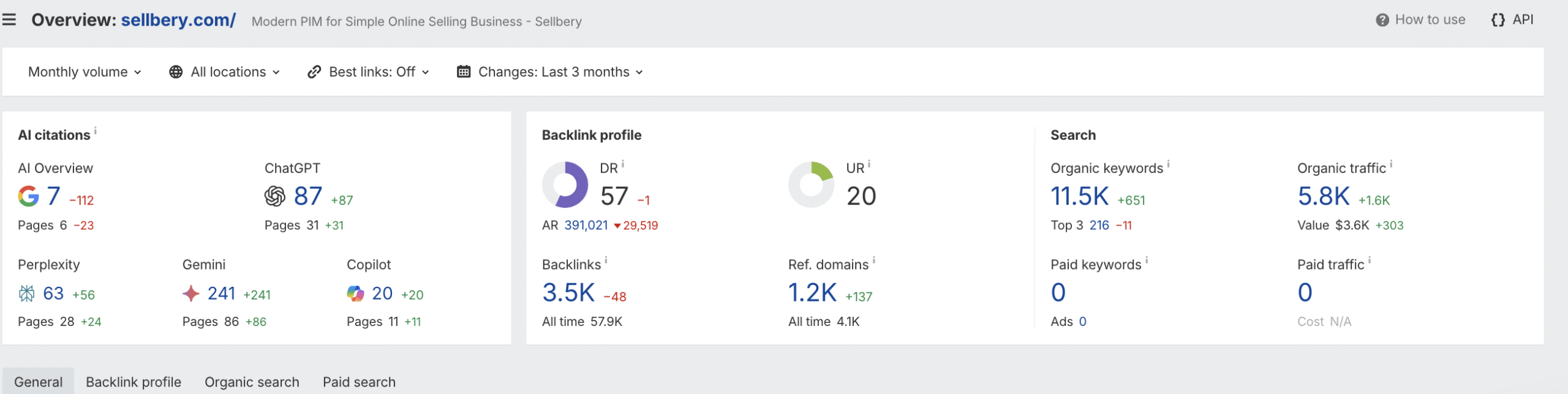
Their content was relevant. Their audience overlapped directly with our client’s. Topics like product feed optimization, marketplace selling, and automation.
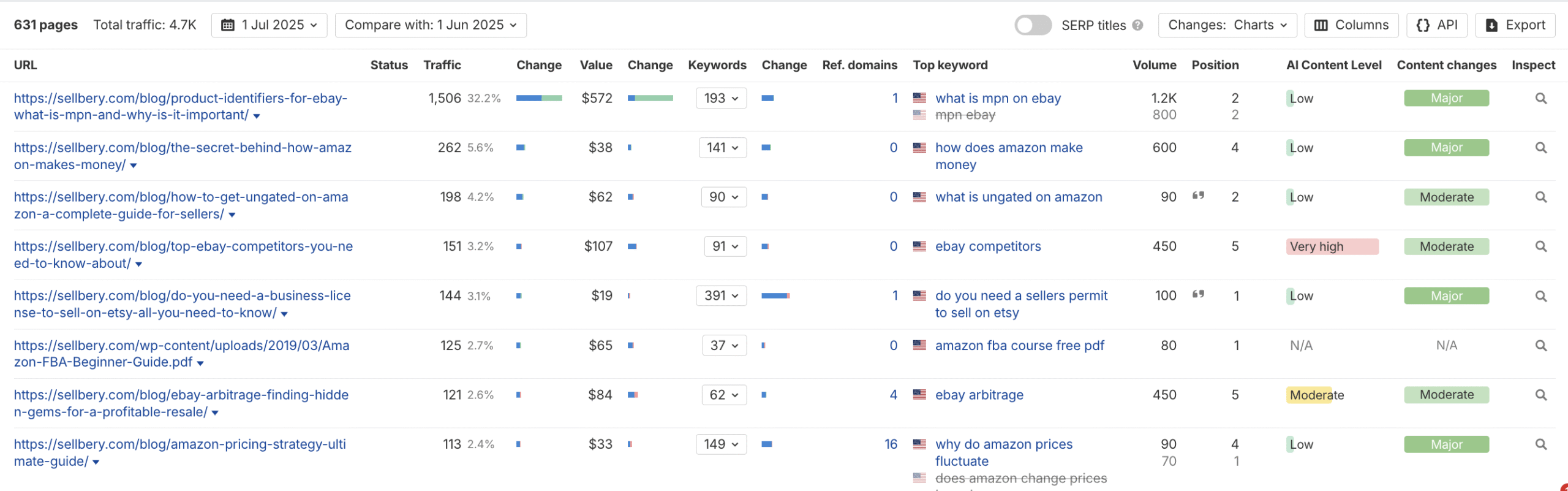
Clean design. No write-for-us links. Just a focused, trusted site with real content and a real audience. We’ll take a DR 57 with buyer relevance over a DR 74 with fake traffic any day. This is the same principle behind semantic link building topical alignment matters more than raw authority scores.
Buying Guest Posts That Never Rank
Most guest posts that agencies or freelancers sell are dumped on low-quality blogs that accept anything. They’re not built to rank. They’re built to deliver a backlink and close the deal.
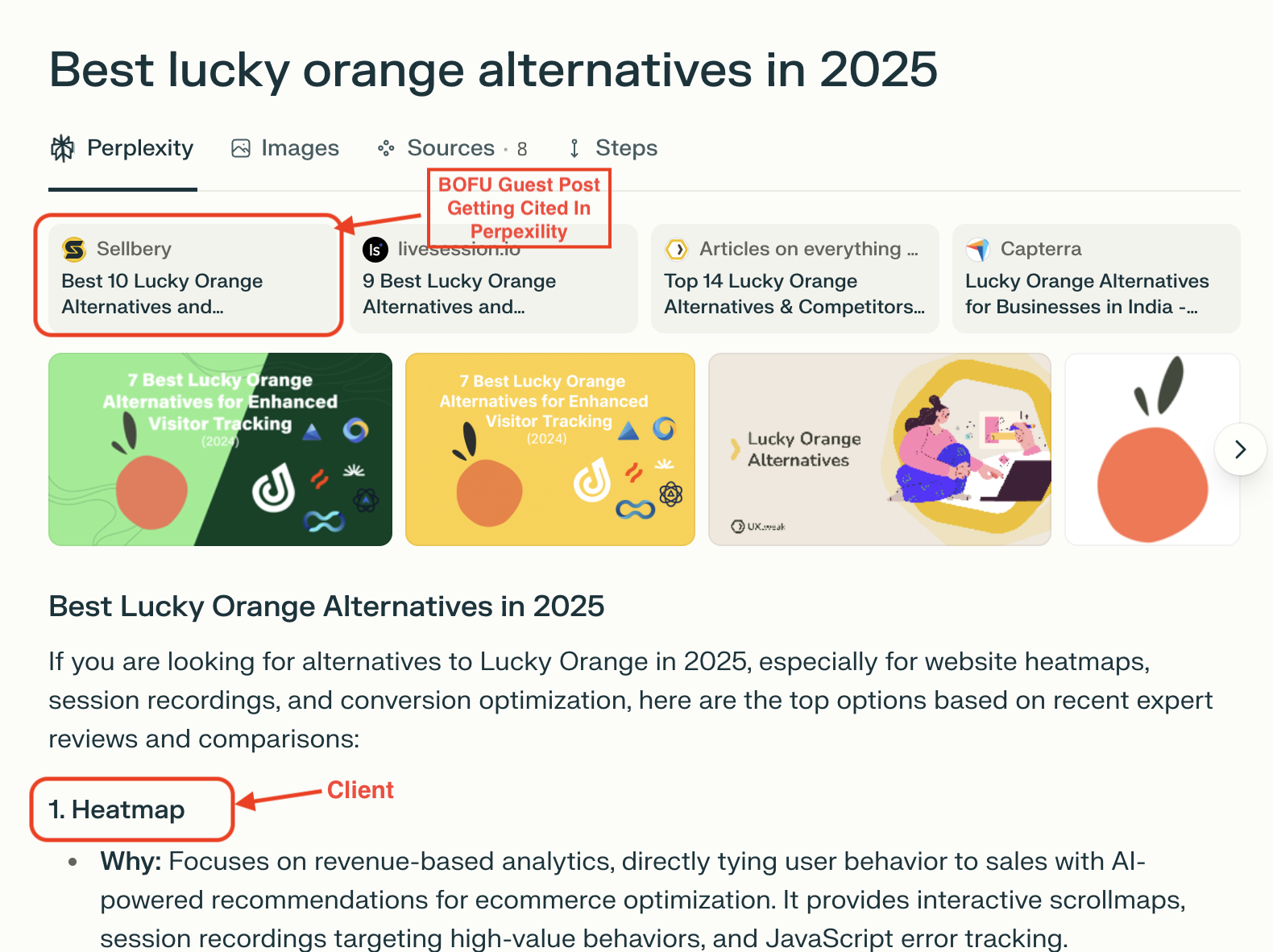
You get a link on a site with 20 outbound links per post, no internal linking, and no chance of ever showing up in Google or ChatGPT. If the guest post doesn’t rank and doesn’t get cited it does nothing.
The kind of guest posts that work are built for two things: ranking on a commercial keyword, and positioning your product in front of future buyers.
Using the Same Exact Anchor Every Time
If your anchor plan is just “best + keyword” over and over, it’s not a strategy. Google ignores it at best and flags it at worst.
Smart anchor text is built like a conversation. Some branded. Some partial match. Some generic. Some just URLs. It has to feel like 10 different websites independently decided you were worth linking to not like one SEO bought a package.
This is the anchor text ratio we follow at Link Building Company for home pages and landing pages:

Paying for Speed, Not Process
If someone’s promising 20 links in a week, ask yourself how?
Real link building involves finding relevant sites, reviewing content quality, doing manual outreach, negotiating placement or editorial inclusion, writing or editing to fit, getting it published, and checking indexation and traffic. That doesn’t happen in 48 hours.
Fast = pre-arranged sites = link farm. Fast = no strategy. Just deliverables.
Not Vetting the Vendor
Before you say yes to anyone, ask to see:
- Links they’ve built for brands in your niche
- The actual page URLs, not just DR and domain name
- Traffic data for those pages
- Anchor text breakdown
- Examples of links that get picked up by ChatGPT or Perplexity
And ask what happens if a link drops, gets deindexed, or gets noindexed. A real vendor has answers to those questions. A shortcut seller won’t.
The worst part of bad link building isn’t the money you waste. It’s the time you lose.
3 Ways to Outsource Link Building (And Who Each One’s For)
There’s no single right way to outsource link building. But there’s definitely a right fit for your current stage, budget, and expectations. Here are the three main models with what you’re actually getting in each one.
1. Freelancers
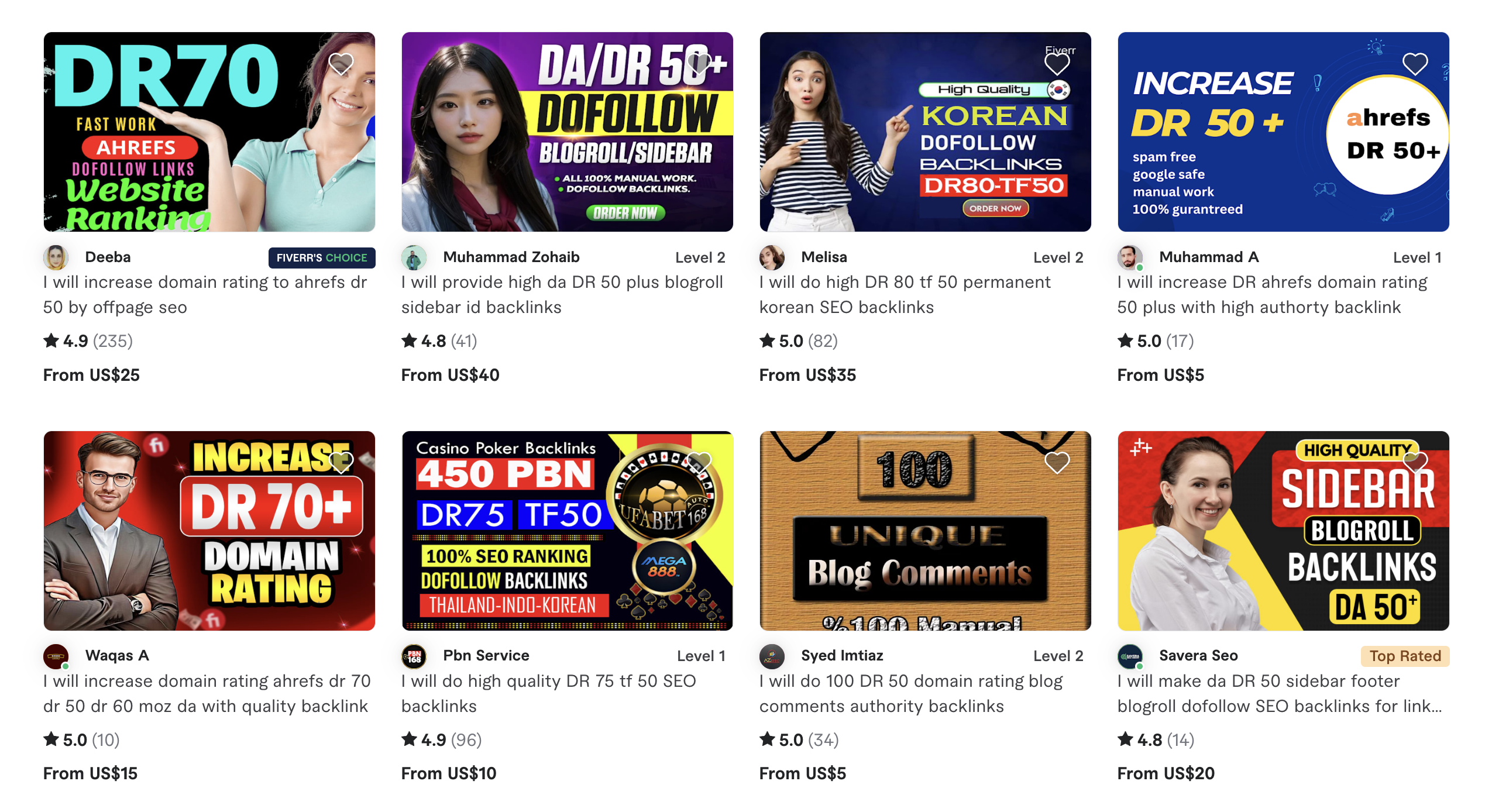
This is usually where people start. You hop on Fiverr or Upwork, find someone promising “manual outreach,” and pay per link.
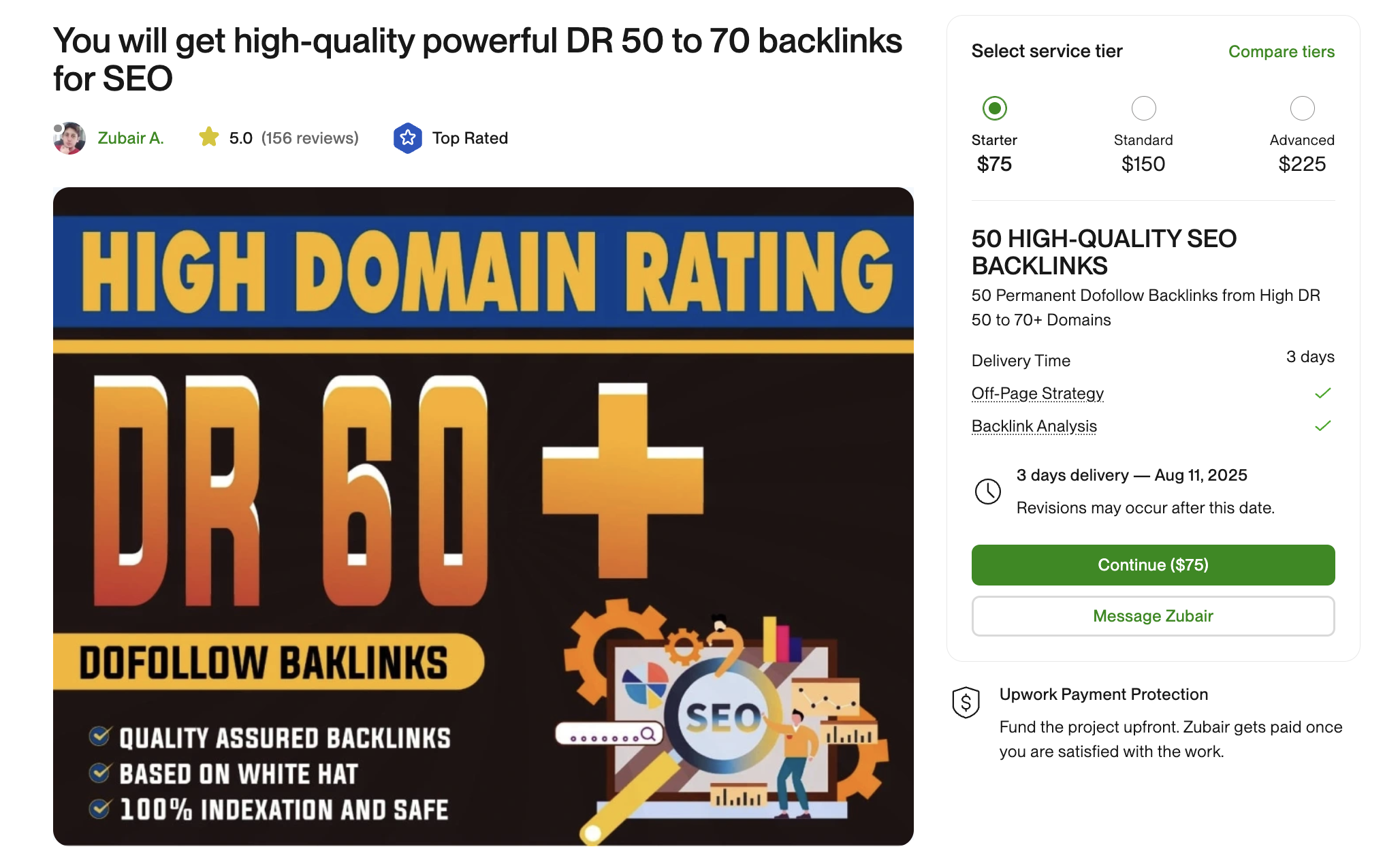
What you’re really getting: One person doing everything prospecting, outreach, content, negotiation, reporting. Sometimes it works. But most of the time, it’s generic guest posts, templated outreach, and placements on blogs that accept anything.
Pros: Cheap. Flexible. Can move fast if you know exactly what to ask for.
Cons: No strategy. No quality control. No accountability. High risk of PBNs or expired domain spam.
When it works: You’re doing a small test. You have a clear brief. You know how to audit links manually.
2. Traditional Agencies
You get a sales rep, a client dashboard, and a monthly report. You pay a retainer. They deliver X links per month.
What you’re really getting: A mix of white-labeled placements, some outreach, and usually pre-negotiated blogs.
Pros: Done-for-you delivery. Usually faster and more scalable than freelancers. Sometimes includes content and strategy.
Cons: Hard to know where the links are really coming from. You may get placements on general blogs that don’t move rankings. Many don’t disclose anchor strategy or show page-level data.
When it works: You want to hand off link building completely. You have a content strategy and just need authority. You trust their systems and past results.
3. Strategic Link Partners
This isn’t a vendor. It’s a team that works with you like a growth partner. You’re not just buying X links per month. You’re building visibility where it actually matters.
What a strategic partner actually does:
- Maps out the pages that need links based on business value
- Researches what sites Google and ChatGPT already trust in your niche
- Pitches content that fits commercially and semantically
- Places links on real pages with traffic and authority
- Shows you performance, not just placement
Pros: Built for ROI, not just SEO. LLM-aware placements. Transparent, hands-on process. Strategic page and anchor planning from day one.
Cons: Not the cheapest option. Doesn’t work if you don’t have strong content or clear goals.
When it works: You’ve validated the funnel. You’re ranking but stuck. You want rankings, branded search, and LLM visibility. You don’t want to build an in-house team.
Choosing the Right Type of Link Building Service
There’s more than one way to outsource link building but only a few are actually worth your time. Here’s a breakdown of the main service models, how they work, and when each one makes sense.
Pay-Per-Link
You pay for individual links, usually priced based on DR, estimated traffic, or niche relevance. Simple, fast, and flexible but it puts all the strategy on your shoulders.
Use this if: You know exactly which pages need links. You’ve mapped out anchor text and velocity. You’re supplementing an in-house strategy.
Avoid this if: You don’t know how to evaluate link quality. You expect the vendor to handle planning. You’re targeting competitive keywords without a broader plan.
Fully Managed Campaigns
A hands-off, strategic approach. You get a team that handles prospecting, outreach, content, anchor strategy, and reporting. They figure out what to build, how fast, and where it should point based on your actual business goals.
Use this if: You want rankings and traffic, not just deliverables. You don’t have time to manage freelancers or vet every site. You’re scaling content or targeting competitive spaces.
Avoid this if: You’re not ready to commit to a long-term strategy. Your content or offer isn’t link-worthy yet.
Link Insertions
Instead of publishing a new guest post, your link is placed inside an existing article one that’s already indexed, aged, and sometimes already ranking. Insertions are faster and often stronger than brand-new content.
Use this if: You need link equity quickly. You’re targeting commercial or bottom-funnel pages. You want links that blend in naturally and avoid over-optimization.
Avoid this if: You’re trying to build thought leadership or top-of-funnel visibility.
International Link Building
Still in English but placed on websites trusted in a specific country or market. If you’re targeting the UK, links from .co.uk domains and UK-based publishers carry more weight than blogs based in the US. Same applies for Australia, Canada, and other English-speaking markets.
Use this if: You’re entering a new country. You want to rank better in a specific market. You’re running geo-targeted pages or pricing models.
Avoid this if: Your content is generic and not adapted to local search behaviour.
Multilingual Link Building
Links placed on French, German, Spanish, Dutch, Japanese, and other native-language blogs or publishers. It’s how you win visibility where most competitors don’t even bother showing up.
Use this if: You’ve localised your content for international markets. You’re targeting keywords in other languages. You want to build real authority in markets beyond English-speaking SERPs.
Avoid this if: Your content is only in English.
White Label Link Building
For agencies that want to offer link building under their own brand without hiring internally. You resell. A partner handles fulfilment, QA, and reporting behind the scenes.
Use this if: You run an SEO or marketing agency. You want to scale link delivery without adding overhead. You need clean, unbranded reporting ready for clients.
Avoid this if: You don’t have quality control in place. You’re unclear about what your clients actually expect.
What a Realistic Link Building Timeline Looks Like
The “see results in 3 months” promise is one of the most damaging myths in SEO. It sets unrealistic expectations, leads to panic when early months look flat, and causes brands to abandon campaigns right before the compounding kicks in.
Here’s what a well-run outsourced link building campaign actually looks like:
Months 1 to 2 Foundation: Links are being placed and indexed. Domain authority begins to shift. Don’t expect ranking jumps yet. Google is watching the pattern and verifying that new signals are consistent and natural.
Months 3 to 4 Early movement: Pages targeting low-to-mid competition keywords start climbing. You may see position jumps of 5 to 15 places on specific targets. Branded search volume often begins to tick up. This is where most campaigns that were abandoned would have broken through.
Months 5 to 6 Compound effect: Multiple pages start moving together. Traffic impact becomes measurable. DR increases. Pages that were on page two begin competing for page one.
Month 6 and beyond Acceleration: Authority compounds. New content ranks faster. Links built in months 1 to 2 contribute to content published in months 5 to 6. This is where the real ROI of link building becomes visible.
Several factors affect this timeline: site age, current DR, competition level in your niche, content quality, and how many pages are being targeted simultaneously. A brand new site will move more slowly than one with existing authority.
The honest answer is that link building compounds like interest. The first few months look quiet. The returns stack up later and they persist.
How We Build Links at LinkBuilding.Company
We’re not going to list 15 points here about how “we focus on quality.” You can read the full version of our methodology at how we’re different from other link building agencies.
The short version:
We reverse-engineer where Google and AI tools are already pulling from in your niche. We figure out which pages your competitors are being mentioned on, what formats LLMs are citing, and what anchor structures look natural in your topic area. Then we place you in those same ecosystems.
We build links to revenue-driving pages product pages, pricing pages, comparison pages, and pages you’ve already validated through paid ads. Not just blog posts.
We blend guest posts, link insertions, and listicles based on what each target page actually needs. We track anchor distribution, page-level ranking movement, branded search lift, and LLM citations. Our in-house outreach team handles everything manually no automated blasts, no templated pitches. You can read more about how we structure that team in our post on managing link building VAs.
And one more thing. A portion of every retainer we take on goes toward feeding street dogs through our Links That Feed programme. Real meals for real animals, funded by every campaign we run. Every link we build feeds something. It’s the part of what we do that we’re most proud of and the part that has nothing to do with SEO and everything to do with why we built this company the way we did. Read more about the full story in our resource library.
What Happens After You Contact Us
Most agencies make you wait three days for a proposal that tells you nothing. Here’s exactly what happens when you reach out to us no fluff, no funnel games.
Step 1 Free strategy call (30 minutes): We talk about your site, your goals, which pages you want to rank, and what’s blocking you. No pitch deck. Just a real conversation to figure out if we’re the right fit.
Step 2 We audit your top target pages: Before recommending anything, we look at where you’re already ranking, what your competitors have that you don’t, your current anchor profile, and which pages have the most commercial potential. This is done by us, manually, at no cost.
Step 3 You get a link plan, not a proposal: We send you a document that maps specific pages to link targets, outlines the anchor strategy we’d use, sets honest monthly velocity, and shows you what “success” looks like in concrete terms. No vague promises.
Step 4 You approve before anything gets placed: On managed campaigns, you see the sites and content before we publish. Nothing goes live that you haven’t signed off on.
Step 5 Monthly reporting on what moved: Not just “here are your links.” We report on ranking changes per target page, DR shifts, branded search trends, and where your brand is appearing in AI search tools. You know what your spend did.
That’s it. No surprise invoices. No locked-in contracts. No black box.
Link Building FAQs What to Know Before You Outsource
These are the questions brands ask us before outsourcing their link building and the honest answers we give every time.
How do I know if I’m ready to outsource link building?
You’re ready if your pages are ranking between positions 6 and 20, you’re targeting keywords that convert, you’ve already validated your funnel through content or paid ads, and you don’t have the time or systems to build links in-house. If your content isn’t good, nothing’s indexed, or your keywords have no intent fix those first.
How many links do I need?
Start by looking at who’s outranking you. Check their referring domains to the ranking page not just the root domain. If your competitors have 12 links to their product page and you have none, that’s your gap. There’s no universal number. Our full breakdown of how many backlinks to get from one website covers how to think about link distribution without over-concentrating on a single source.
How fast will I see results?
Most campaigns see early movement in months 3 to 4. Full compounding impact usually hits between months 5 and 8. If your site is brand new or the keyword is highly competitive, it will take longer. Link building is not instant but when it compounds, it snowballs and doesn’t stop.
What should I include in my outsourcing brief?
A good brief gives your vendor: the specific pages you want to rank (with URLs), the target keywords for each page, the competitors you’re trying to beat, your preferred anchor style (branded vs keyword-heavy), your monthly budget, and any sites or categories you want avoided. The more specific you are, the better the outcome. A vague brief produces generic links.
What types of pages should I build links to?
Not just blog posts. We build links to product pages, competitor comparison pages, category or collection pages, pricing and demo pages, and lead magnets and case studies. Anything that ranks for commercial-intent keywords is fair game as long as the content holds up.
What matters more: DR or traffic?
Neither. Relevance beats both. We’d take a DR 28 site with 10,000 monthly visitors in your niche over a DR 70 site with low traffic and generic content. Page-level trust and topic alignment are what move rankings.
Are all links you build dofollow?
No and that’s a good thing. Google expects a natural mix. We focus on dofollow links for authority, but having nofollows from trusted publications (media outlets, directories, sponsored links) adds diversity and trust. A 100% dofollow profile looks unnatural.
What’s your process for choosing sites?
We evaluate every site based on organic traffic trends, topic relevance, historical link behaviour, page authority (not just domain), and editorial quality and outbound link profile. We also check if the site or page is cited in AI tools like ChatGPT or Perplexity. That’s a bonus layer and not many vendors are doing that yet.
Will you show me the link before it goes live?
Yes, depending on the type of campaign. With managed campaigns and high-touch insertions, we often share placement previews, content drafts, or approval before publishing. For pay-per-link orders, it may be post-placement but everything is fully logged, tracked, and guaranteed.
What happens if a link drops?
If any link we place disappears within 12 months, we replace it or refund you. No hiding. No “not our fault” excuses. We track all links across all campaigns and alert you if something breaks.
Are these links white hat?
Yes. 100%. We don’t touch PBNs, link farms, expired domains, automated content, or AI-spun garbage. Every site is manually reviewed. Every pitch is manual. Every placement is editorial or contextually inserted. We build links the way Google wants to see them and the way LLMs trust them.
Will these links help me show up in ChatGPT, Perplexity, or Google AI Mode?
No one can guarantee that and anyone who does is full of it. But we run prompts, track citations, and reverse-engineer where AI tools are already pulling from. Then we place your brand on similar pages and publishers. We’ve seen clients go from invisible to cited because they showed up in the right places consistently.
Do you use AI-generated content for guest posts?
No. We might use AI to draft outlines or structure, but every piece of content is reviewed, fact-checked, and edited by real writers who know SEO and editorial publishing. AI tools are helpful but not when you’re writing content that’s supposed to rank, build trust, and influence decision-makers.
What’s the average cost per link?
Most of our clients spend between $250 and $500 per link for high-quality placements. If you’re doing niche outreach, multilingual placements, or heavily commercial targets, the cost can be higher. But when you measure ROI rather than just cost, good links pay off fast.
Can I cancel anytime?
If you’re on a monthly plan yes. No long-term contracts. You get a link report before your next invoice so you’re never guessing what you paid for. For pay-per-link or one-time campaigns, you’re only charged based on what we agree to upfront.
Ready to Stop Guessing and Start Building?
You now know more about outsourcing link building than most people who’ve been doing SEO for years.
You know DR doesn’t mean impact. You know fast links usually mean fake links. You know that a real partner doesn’t just send a spreadsheet at the end of the month they show you what moved and why.
If you’re serious about rankings, AI visibility, and building authority that lasts, we should talk.
Get in touch for a free strategy call. We’ll audit your top pages, map the gap between you and your competitors, and tell you exactly what we’d build and why before you spend a penny.
Want to go deeper first? Browse the full link building resource library guides, frameworks, and real campaign breakdowns.